Blog ·
Why Your Dining Area Could Be Your Next Dream Kitchen
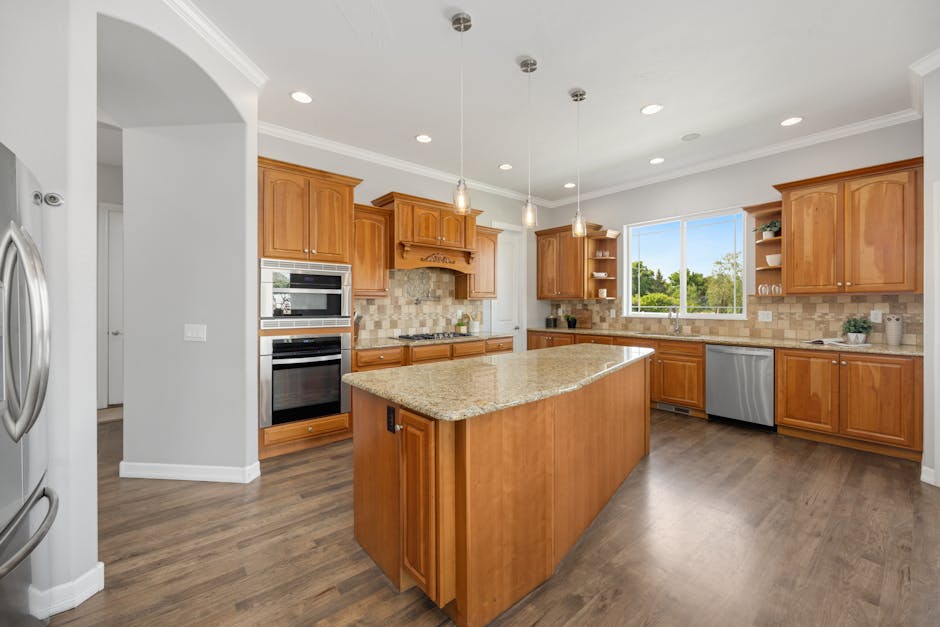
You're eating breakfast in a kitchen barely wide enough for two people to stand simultaneously. Meanwhile, your dining room sits unused except for holidays. Your home has the space you need—it just isn't in the right location. This scenario plays out in countless homes, and it's the moment many homeowners realize they need to rethink their space entirely.
An unuseful dining room or adjacent space can become the kitchen you've always wanted. Before dismissing this idea, consider what's really stopping you. Many people assume kitchens must stay where they originally were built. But if your current kitchen leaves you frustrated and your other spaces sit empty, moving your kitchen might be the most practical solution your home offers.
Expanding into an adjacent space solves multiple problems at once. You gain room for a proper island. You create genuine seating for breakfast or casual work. You build in storage you never had. You eliminate that frustrating sensation of cooking in a shoebox.
The practical considerations matter, of course. You'll need to relocate plumbing, electrical service, and possibly gas lines. These are genuine challenges, but they're solvable. Many kitchens that feel hopelessly cramped become spacious and functional once relocated to a larger area of your home.
Think about your daily life. Where do you actually want to spend time? Many homeowners discover they'd prefer an open, bright kitchen where they can see into the living room while cooking. Others realize they want enough space to have someone sit at an island while they prepare dinner. These desires point toward a kitchen larger than what you currently occupy.
Dining rooms especially are prime candidates for conversion. Few modern families use formal dining areas regularly. The room takes up valuable square footage dedicated to an occasional event. Transforming it into a kitchen with an adjacent dining or seating area creates a space that works harder and serves your actual lifestyle.
The psychological shift matters too. A generous kitchen changes how you relate to cooking. You move from survival mode—just fitting necessary elements into a tiny space—to a place where cooking feels like a genuine choice rather than a chore.
An unuseful space often stays unused simply because you haven't imagined its potential. Your formal dining room, home office nook, or oversized hallway might hold the kitchen you've been wishing for. Sometimes the most practical custom kitchen design isn't an improvement to your existing kitchen—it's a complete reimagining of how you use your home's space.
When you stop thinking of kitchens as fixed in place and start viewing them as spaces that can be optimized for your actual life, new possibilities emerge. That unused room suddenly looks less like wasted square footage and more like an opportunity waiting to be developed.